Esports Spectator Engagement: 2023 vs. 2026 Trends Analysis
Advertisements
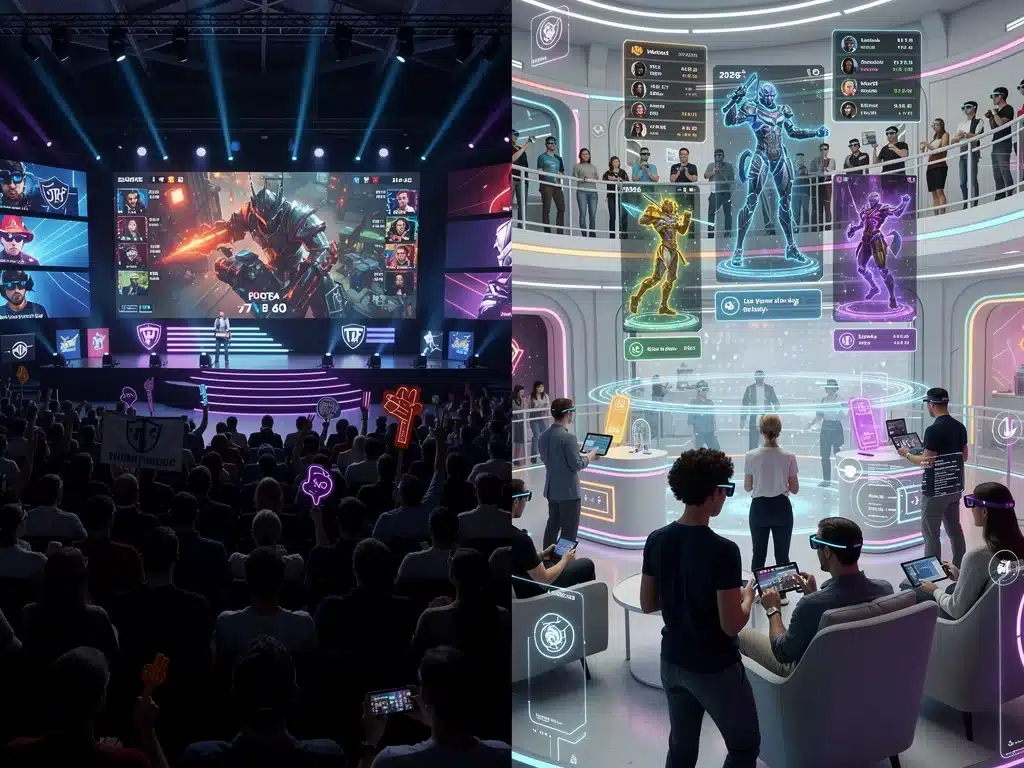
Esports spectator engagement is undergoing a profound transformation as the industry shifts toward highly interactive, data-driven fan experiences.
Moving away from passive viewing, this report delivers a direct, objective overview of the major shifts in audience interaction and emerging technologies, breaking down what changed, why it matters for stakeholders, and the key engagement trends to monitor next.
Audience Growth and Demographic Shifts: 2023 Foundations
In 2023, esports spectator engagement was characterized by a robust, but somewhat predictable, growth trajectory.
Core demographics remained largely consistent, with a strong presence of young adult males driving viewership numbers across major titles.
The primary platforms for consumption were established streaming services like Twitch and YouTube, alongside a growing but still nascent presence on social media platforms.
Regional disparities in game popularity and cultural acceptance significantly influenced engagement rates.
While the overall audience expanded, the methods of engagement were still largely passive, focusing on watching live broadcasts and VODs.
Interactive elements were present but not yet central to the viewing experience.
Emerging Technologies Reshaping Engagement: Towards 2026
Looking ahead to 2026, emerging technologies are poised to fundamentally redefine esports spectator engagement.
Augmented Reality (AR) and Virtual Reality (VR) are moving beyond novelty, offering immersive viewing experiences that were only conceptual a few years prior.
These technologies promise to transport viewers directly into the game world or onto the virtual stage, fostering a deeper sense of presence and interaction.
The barrier between passive viewing and active participation is set to significantly diminish.
Furthermore, advancements in AI are enabling personalized content delivery and real-time analytics for viewers, tailoring experiences to individual preferences and enhancing understanding of complex game dynamics.
This personalization is a key driver for future engagement.
The Rise of Interactive Viewing Experiences
By 2026, interactive overlays and real-time polling during live streams will become standard, allowing viewers to influence aspects of the broadcast or participate in strategic discussions.
This fosters a sense of community and direct involvement that traditional sports often lack.
Integrated prediction markets and fantasy esports leagues are also expected to see massive growth, providing financial and emotional investment opportunities for fans. These elements transform watching into a more dynamic and rewarding activity.
- Personalized camera angles and data feeds.
- Real-time fan polls influencing broadcast decisions.
- Integrated betting and fantasy league platforms.
- Direct interaction with streamers and pros via enhanced chat.
Platform Diversification and Content Consumption in 2023
In 2023, Twitch and YouTube Gaming dominated the esports streaming landscape, serving as the primary hubs for live and on-demand content. While these platforms were effective, content often followed traditional broadcast models.
Social media platforms like TikTok and Instagram began to play a larger role in content discovery and short-form highlights, but full-length matches and in-depth analysis primarily resided on dedicated streaming sites.
The fragmentation of content across various platforms created some challenges for viewers seeking a unified experience.
Audience behavior in 2023 showed a preference for convenience and accessibility, with mobile viewing steadily increasing.
However, the desktop experience remained paramount for serious esports fans due to screen size and peripheral support.
Multi-Platform Ecosystems and Personalized Content: The 2026 Vision
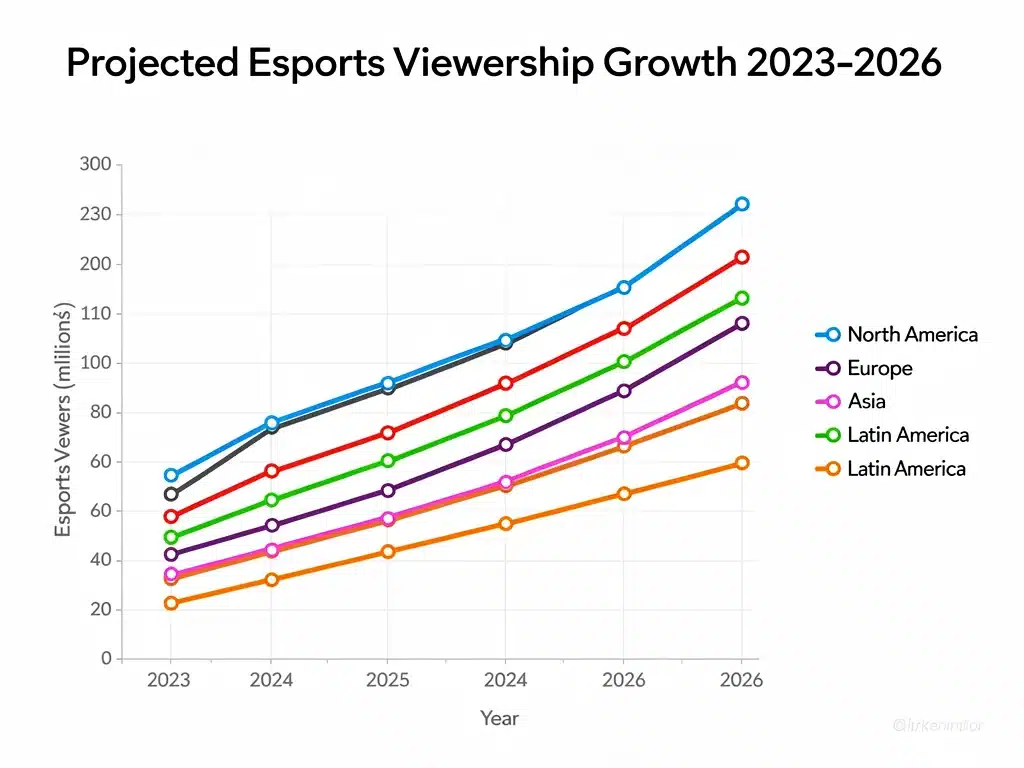
The 2026 landscape for esports spectator engagement will feature a more diversified and interconnected multi-platform ecosystem.
Content will be seamlessly accessible across traditional streaming, social media, and new immersive platforms, each offering unique engagement opportunities.
Personalization will be key, with AI-driven algorithms curating content feeds based on individual viewer preferences, game interests, and even emotional responses.
This ensures a highly relevant and engaging experience for every fan.
The integration of in-game spectating tools with external streaming platforms will blur the lines between playing and watching, offering unparalleled access to competitive play.
This convergence enhances immersion and fosters deeper connection.
The Evolution of Social Integration
Social features will be deeply embedded within viewing platforms by 2026, allowing for co-watching experiences, real-time discussions, and direct interaction with friends and communities.
This moves beyond simple chat functions to more sophisticated social hubs.
Content creation will become more democratized, with advanced tools enabling fans to easily clip, edit, and share their favorite moments across platforms.
This fan-generated content will significantly contribute to overall esports spectator engagement.
- Integrated social viewing parties and watch-together features.
- Advanced fan-generated content tools for sharing.
- Direct community engagement with pros and teams.
- Cross-platform content synchronization for seamless viewing.
Monetization Strategies and Fan Investment: 2023 Approaches
In 2023, monetization of esports spectator engagement primarily revolved around traditional advertising, sponsorships, and direct fan support through subscriptions and donations.
These methods, while effective, often presented a one-sided transaction.
In-game purchases and team merchandise also contributed significantly, but the direct financial involvement of spectators in the competitive ecosystem was somewhat limited.
The focus was largely on broad audience reach for advertisers.
Esports organizations were exploring new revenue streams, but a clear, universally adopted model for sustainable fan-driven monetization was still developing.
This left room for significant innovation in how fans could invest in their favorite teams and players.
New Economic Models and Deeper Fan Investment: 2026 Outlook
By 2026, esports spectator engagement will be underpinned by innovative economic models that encourage deeper fan investment and participation.
Blockchain technology, including NFTs and fan tokens, will offer new ways for fans to own digital assets and influence team decisions.
These models create a more direct and tangible connection between fan support and organizational success, transforming passive viewers into active stakeholders.
This fosters loyalty and a sense of belonging within the community.
Subscription models will evolve to offer tiered benefits, including exclusive content, voting rights, and direct access to players and coaches.
This provides a more personalized and valuable experience for dedicated fans, enhancing esports spectator engagement.
The Impact of Web3 on Fan Economics
Web3 technologies are set to revolutionize how fans interact financially with esports.
NFTs representing memorable moments, player cards, or unique digital skins will become highly sought-after collectibles, creating new markets for fan engagement.
Fan tokens will grant holders voting rights on team decisions, access to exclusive events, or even a share in prize pool winnings.
This level of involvement directly links fan investment to the success of their chosen organizations, fostering unparalleled esports spectator engagement.
- Fractional ownership of team assets via NFTs.
- Token-gated access to exclusive content and events.
- Decentralized autonomous organizations (DAOs) for team governance.
- Play-to-earn models integrated with spectator engagement.
Community Building and Social Interaction: 2023 Landscape
In 2023, community building in esports largely occurred through platform-specific chat functions, Discord servers, and dedicated subreddits.
While effective, these communities often existed in silos, fragmented across various digital spaces.
Official team and league channels on social media provided central hubs, but organic fan-to-fan interaction often required navigating multiple platforms.
The emphasis was on creating spaces for discussion rather than deeply integrated social experiences.
Offline events and watch parties played a crucial role in fostering a sense of camaraderie, but for the majority of online viewers, direct social interaction with fellow fans was limited to text-based communication during broadcasts.
Integrated Social Experiences and Global Communities: 2026 Horizon
By 2026, esports spectator engagement will thrive within highly integrated social ecosystems that transcend individual platforms.
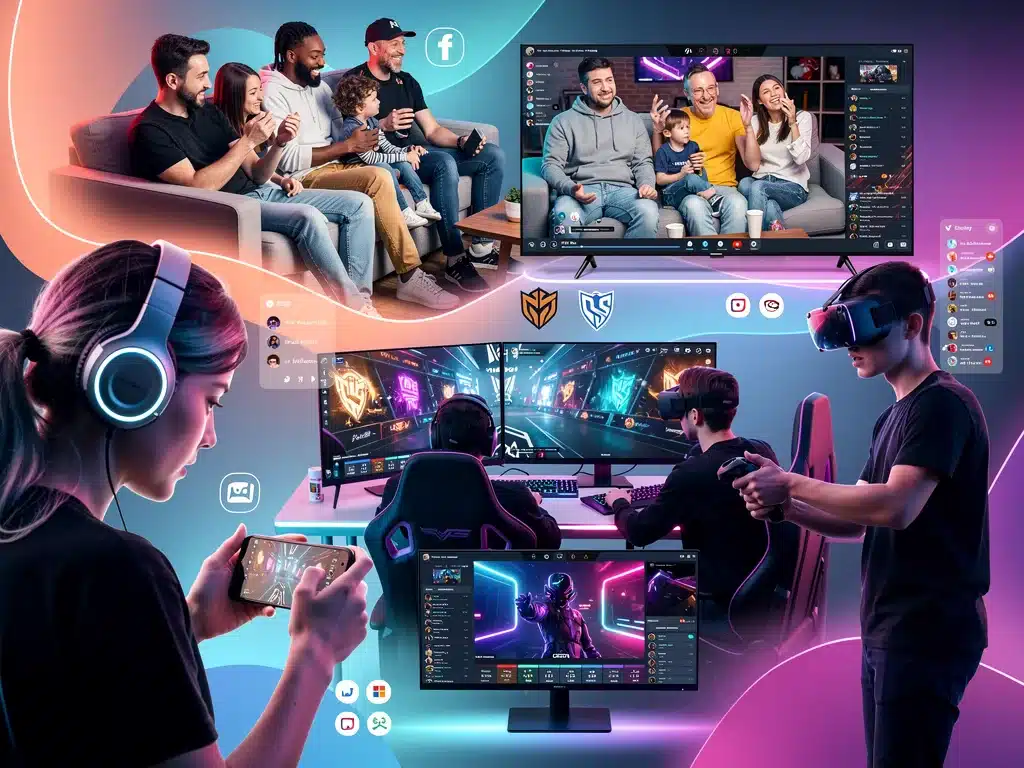
Viewing experiences will be inherently social, allowing fans to watch, react, and discuss content with friends and strangers in real-time within a unified environment.
Cross-platform social features will facilitate the formation of global communities, connecting fans from diverse backgrounds around shared passions.
This fosters a more inclusive and dynamic fan base, strengthening the overall esports ecosystem.
The line between content consumption and social interaction will blur, as platforms prioritize features that encourage collaboration, competition among viewers, and shared experiences.
This elevates the collective esports spectator engagement.
The Evolution of Fan-to-Fan Connection
Expect advanced co-watching features that allow friends to synchronize their viewing experiences and interact through voice or video chat directly within the streaming interface.
This replicates the feeling of watching together in person, enhancing esports spectator engagement.
Gamified social experiences, where viewers earn rewards or climb leaderboards based on their interaction and participation, will further incentivize community engagement.
This transforms passive viewing into an active, competitive social endeavor.
- Synchronized co-watching parties with integrated communication.
- Advanced fan-generated content tools for sharing.
- Direct community engagement with pros and teams.
- Cross-platform content synchronization for seamless viewing.
Accessibility and Inclusivity Initiatives: 2023 Efforts
In 2023, efforts towards accessibility and inclusivity in esports spectator engagement were gaining traction, but still faced significant hurdles.
While strides were made in providing subtitles and basic language options, truly comprehensive accessibility was not yet widespread.
The industry was beginning to recognize the importance of catering to diverse audiences, including those with disabilities or from non-traditional gaming backgrounds.
However, implementation often lagged behind awareness.
Representation within esports content and professional circuits was improving, yet more work was needed to ensure all demographics felt genuinely welcomed and represented.
This was a critical area for growth in fostering broader esports spectator engagement.
Broadening Appeal and Universal Access: 2026 Imperatives
By 2026, universal accessibility and radical inclusivity will be paramount for sustained esports spectator engagement.
Platforms and broadcasters will implement advanced features such as AI-driven real-time translation, customizable UI options, and comprehensive accessibility settings for all viewers.
Content will be deliberately crafted to resonate with a wider global audience, moving beyond traditional gamer stereotypes to embrace diverse cultural narratives and interests.
This broadens the appeal and fosters a more welcoming environment.
The industry will prioritize initiatives that ensure equitable representation across all levels, from professional players to content creators and commentators, reflecting the true diversity of the global fanbase.
This commitment to inclusivity is vital for future esports spectator engagement.
Strategies for Global Reach and Cultural Relevance
Localized content production, including region-specific broadcasts, commentary teams, and cultural adaptations of esports events, will become standard by 2026.
This ensures that the content feels relevant and authentic to diverse global audiences.
Partnerships with local content creators and influencers will be crucial for penetrating new markets and building grassroots communities.
This bottom-up approach fosters genuine connection and expands the reach of esports spectator engagement.
- AI-powered real-time multi-language commentary.
- Customizable interface options for visual and auditory impairments.
- Culturally relevant content and regional event adaptations.
- Enhanced educational content for newcomers to esports.
Competitive Integrity and Fair Play: 2023 Challenges
Maintaining competitive integrity was a constant challenge in 2023, directly impacting esports spectator engagement.
Cheating, match-fixing, and doping scandals, though isolated, eroded trust among fans and cast a shadow over professional play.
The transparency of anti-cheat systems and regulatory bodies was often questioned, leading to fan skepticism regarding the fairness of competition.
This made it difficult for some viewers to fully invest emotionally in the outcomes of matches.
While efforts were made to combat these issues, the rapid evolution of games and technology meant that new vulnerabilities constantly emerged.
This required continuous adaptation and vigilance from tournament organizers and developers to safeguard esports spectator engagement.
Enhanced Security and Transparent Governance: 2026 Standards
By 2026, competitive integrity will be a cornerstone of esports spectator engagement, upheld by advanced technological solutions and transparent governance.
AI-driven anti-cheat systems and robust forensic analysis will ensure a level playing field, restoring and maintaining fan trust.
Blockchain technology will be utilized for transparent record-keeping of match results, player contracts, and disciplinary actions, providing an immutable audit trail.
This fosters unparalleled transparency and accountability within the ecosystem.
Independent regulatory bodies with clear mandates and consistent enforcement will oversee competitive play, ensuring fairness and protecting the integrity of the sport. This commitment is essential for long-term esports spectator engagement and growth.
The Role of Technology in Upholding Fairness
Deep learning algorithms will proactively detect suspicious patterns in gameplay, flagging potential cheats or anomalies before they can significantly impact matches.
This real-time vigilance enhances the fairness of competition and protects esports spectator engagement.
Biometric authentication for players and secure hardware environments will minimize the risk of unauthorized external interference.
These measures create a more secure and trustworthy competitive environment for both players and spectators.
- AI-powered real-time cheat detection and prevention.
- Blockchain for transparent match data and player histories.
- Independent oversight bodies with clear mandates.
- Biometric security for player verification during events.
Engagement Metrics and Analytics: 2023 Focus
In 2023, esports spectator engagement metrics primarily focused on raw viewership numbers, peak concurrent viewers, and hours watched.
While these provided a basic understanding of audience size, they offered limited insight into deeper engagement quality.
Demographic data was collected, but detailed behavioral analytics regarding viewer interaction, content preferences, and emotional responses were often rudimentary.
This made it challenging for content creators and brands to precisely tailor their strategies.
The industry was aware of the need for more sophisticated measurement tools, but widespread adoption of advanced analytics was still in its early stages.
This left a gap in understanding the true depth of esports spectator engagement.
Advanced Analytics and Predictive Modeling: 2026 Precision
By 2026, esports spectator engagement will be analyzed with unprecedented precision through advanced analytics and predictive modeling.
AI and machine learning will process vast amounts of data, providing real-time insights into viewer behavior, sentiment, and preferences.
These sophisticated tools will move beyond simple viewership counts to measure emotional engagement, attention spans, and conversion rates for interactive content.
This allows for hyper-personalized content delivery and optimized marketing strategies.
Predictive analytics will forecast audience trends, identify emerging popular games or content formats, and anticipate shifts in viewer preferences.
This proactive approach will be crucial for maintaining high levels of esports spectator engagement.
Leveraging Data for Personalized Experiences
Every interaction a viewer has, from chat messages to emoji reactions and click-through rates on overlays, will contribute to a comprehensive profile.
This data will then be used to serve highly personalized content and advertising, maximizing relevance and esports spectator engagement.
Broadcasters will utilize real-time sentiment analysis to adjust commentary, camera angles, and replay selections on the fly, ensuring the broadcast aligns with the audience’s emotional state.
This dynamic adaptation creates a truly responsive viewing experience.
- Real-time sentiment analysis of chat and social media.
- Predictive modeling for audience retention and churn.
- A/B testing of content formats and interactive features.
- Personalized content recommendations based on viewing history.
| Key Trend | Impact on Esports Spectator Engagement |
|---|---|
| Technological Immersion | AR/VR and AI personalize and deepen viewer presence. |
| Multi-Platform Access | Seamless viewing across diverse devices and social media. |
| Fan-Driven Economics | Web3 and tokens empower fans with ownership and influence. |
| Enhanced Inclusivity | Broader content appeal and accessibility for global audiences. |
Frequently Asked Questions About Esports Spectator Engagement
From 2023’s largely passive viewership on traditional platforms, esports spectator engagement is shifting towards highly interactive, personalized, and immersive experiences by 2026. Technologies like AR/VR and AI are key drivers, along with new economic models like fan tokens, deepening fan involvement and expanding accessibility globally.
New technologies are pivotal. AR and VR offer immersive viewing, while AI personalizes content and provides real-time analytics. Blockchain enables new fan investment models through NFTs and fan tokens, creating a more interactive and financially integrated experience for esports spectator engagement.
Monetization is moving beyond traditional ads and sponsorships. By 2026, new economic models, particularly Web3 technologies like NFTs and fan tokens, will allow deeper fan investment. This offers ownership, influence, and exclusive benefits, fundamentally changing how fans contribute to and benefit from esports spectator engagement.
Inclusivity is a growing priority. By 2026, efforts include AI-driven real-time translation, customizable UI options, and content curated for diverse global audiences. Representation across players, creators, and commentators is also being enhanced to foster broader and more welcoming esports spectator engagement.
Competitive integrity will be reinforced by advanced AI anti-cheat systems and transparent blockchain record-keeping. Independent regulatory bodies with clear mandates will oversee fair play. These measures aim to restore and maintain fan trust, which is crucial for sustained esports spectator engagement and the industry’s credibility.
Looking Ahead: The Future of Fan Connection
The evolution of Esports Spectator Engagement from 2023 to 2026 signals a profound shift from passive consumption to active, personalized, and deeply integrated fan experiences.
The convergence of technology, economic innovation, and a commitment to inclusivity is reshaping how audiences connect with competitive gaming.
Stakeholders must adapt rapidly to these changes, embracing new platforms and engagement models to capture and retain the attention of a global, diverse audience.
The future of esports hinges on creating compelling, interactive narratives that resonate far beyond the screen.
This paradigm shift requires a deeper look into human-computer interaction (HCI) and data-driven design to understand how multi-stream interfaces, real-time gamified overlays, and virtual community structures alter viewer agency.
For a comprehensive academic framework examining these digital dynamics and how data architectures shape modern viewer immersion, you can review the full study on Esports Spectator Engagement via the ACM Digital Library.
As the industry matures, continuous innovation in enhancing esports spectator engagement will be key to unlocking its full potential, solidifying its place as a leading form of global entertainment.
This dynamic landscape demands constant vigilance and strategic foresight.