Reducing E-Sports Player Burnout by 25% with 5 Techniques for 2026
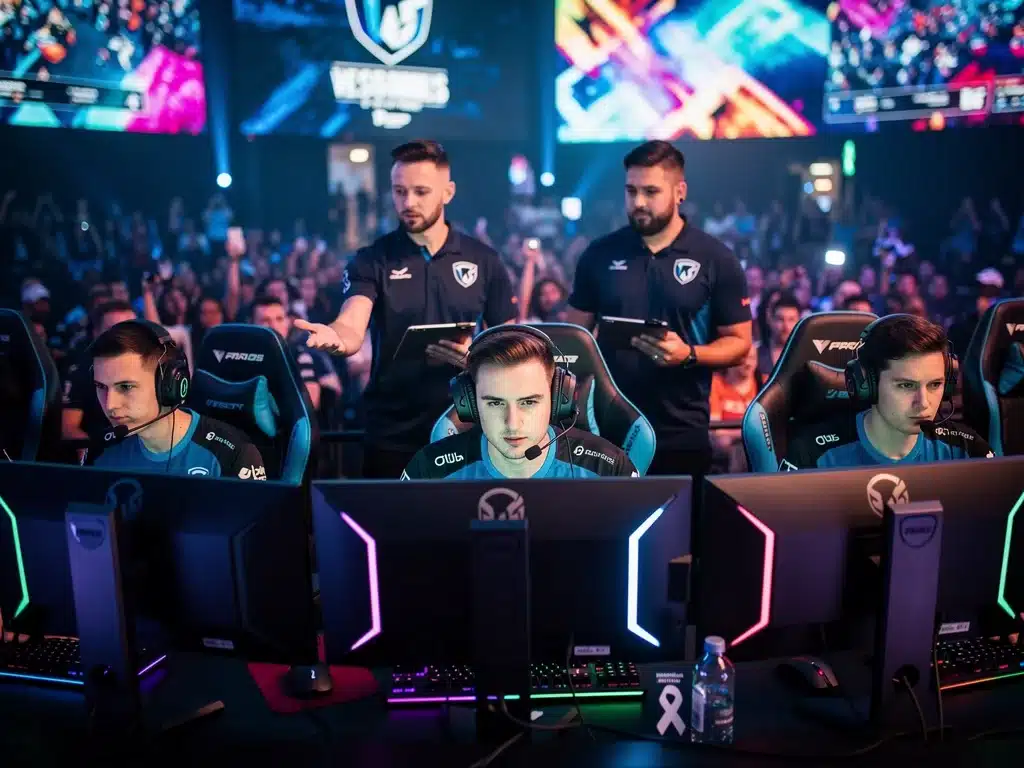
E-sports player burnout is a critical issue impacting professional careers and the overall sustainability of the industry.
Driven by recent insights from wellness experts, this report details five actionable techniques designed to reduce player burnout by 25%.
These proactive mental and physical health strategies aim to foster a healthier, more balanced competitive ecosystem for players, teams, and fans moving forward.
Understanding the E-Sports Burnout Crisis
E-sports player burnout is a multifaceted issue stemming from demanding schedules, constant pressure to perform, and a lack of adequate support systems.
The relentless pursuit of excellence in competitive gaming often overshadows the importance of mental and physical recuperation, leading to chronic stress and exhaustion.
Recent studies highlight a troubling trend where young e-sports professionals experience symptoms akin to occupational burnout at an alarming rate.
This impacts their performance, career longevity, and overall quality of life, necessitating urgent and effective interventions from the industry.
Addressing e-sports burnout solutions is not merely an ethical imperative but also a strategic one for the industry’s continued growth and professionalization.
Sustainable player careers contribute to a more stable and attractive competitive scene for all involved.
The Psychological Toll of Constant Competition
The psychological demands on e-sports players are immense, often underestimated by those outside the industry.
Players face intense scrutiny from fans, pressure from organizations, and the personal drive to constantly improve, which can lead to significant psychological stress.
This constant state of high alert and performance anxiety can manifest as depression, anxiety, and a complete loss of enjoyment for the game.
Without proper coping mechanisms and support, these issues quickly escalate into full-blown burnout, sidelining promising careers prematurely.
Recognizing and addressing these psychological factors is the first step in implementing effective e-sports burnout solutions.
Teams and organizations are increasingly investing in mental health professionals to provide players with the tools and support they need.
Physical Strain and Repetitive Injuries
Beyond the mental aspects, the physical demands of professional gaming contribute significantly to burnout.
Long hours spent in front of screens, repetitive hand and wrist movements, and often poor ergonomic setups can lead to a range of physical ailments.
Carpal tunnel syndrome, tendonitis, and persistent back and neck pain are common complaints among e-sports players.
These injuries not only impede performance but also create chronic discomfort, adding another layer of stress and contributing to overall exhaustion.
Implementing proper physical conditioning, ergonomic assessments, and regular health check-ups are crucial components of any comprehensive plan for e-sports burnout solutions.
Proactive physical care can prevent many of these debilitating conditions.
Technique 1: Structured Rest and Recovery Protocols
One of the most immediate and impactful e-sports burnout solutions involves the implementation of structured rest and recovery protocols.
This goes beyond simply telling players to take a break; it involves integrating scientifically backed periods of rest into their daily and weekly schedules.
Teams are now developing tailored recovery plans that include active rest, mindfulness exercises, and complete disconnection from gaming.
These protocols are designed to ensure that players not only step away from the screen but actively engage in activities that promote mental and physical rejuvenation.
The goal is to prevent the cumulative fatigue that often leads to burnout, allowing players to return to training and competition feeling refreshed and focused.
This structured approach is fundamental to achieving the target of reducing e-sports player burnout by 25% by 2026.
Mandatory Off-Season and Micro-Breaks
Professional e-sports organizations are increasingly mandating off-season periods, similar to traditional sports, where players are encouraged to completely disengage from competitive gaming.
This critical time allows for extended mental and physical recovery, preventing year-round exhaustion.
In addition to longer breaks, the integration of micro-breaks throughout daily training sessions is proving highly effective.
Short, intentional pauses for stretching, hydration, or simply looking away from the screen can significantly reduce eye strain and mental fatigue, contributing to better sustained performance.
These mandatory periods of rest, both extended and brief, are essential for players to maintain their peak form and mental resilience. They are key elements in sustainable e-sports burnout solutions.
Prioritizing Sleep Hygiene and Nutrition
Optimal performance in e-sports, like any high-performance activity, is inextricably linked to proper sleep and nutrition.
Many players, especially younger ones, often neglect these fundamental aspects due to irregular schedules and a lack of awareness.
Teams are now bringing in sleep specialists and nutritionists to educate players and implement personalized routines.
Ensuring consistent sleep patterns and a balanced diet provides the physiological foundation necessary to withstand the rigors of competitive play and combat fatigue.
By emphasizing sleep hygiene and proper nutrition, organizations are equipping players with powerful tools to manage stress and recover effectively. This holistic approach is a vital part of effective e-sports burnout solutions.
Technique 2: Integrating Mental Health Support Systems
The second crucial technique in addressing e-sports burnout solutions is the robust integration of mental health support systems.
This involves providing players with direct access to qualified psychologists, counselors, and mental performance coaches.
These professionals offer more than just crisis intervention; they work proactively to teach coping strategies, stress management techniques, and resilience building.
Creating a safe space for players to discuss their struggles without fear of judgment is paramount.
The aim is to destigmatize mental health issues within the e-sports community and ensure that players view seeking help as a strength rather than a weakness.
This comprehensive support is critical for player well-being and career longevity.
IMAGE_INTERNAL_1: A professional e-sports player engaged in a focused training session, but with subtle visual cues of mindfulness or a short break, such as a water bottle nearby or a relaxed posture, emphasizing balanced training routines.
Confidential Counseling and Performance Psychology
Providing confidential counseling services allows players to address personal and professional challenges in a secure environment.
These sessions can help manage anxiety, depression, and the unique pressures associated with competitive gaming.
Performance psychologists specifically tailor their interventions to the demands of e-sports, helping players develop mental toughness, focus, and emotional regulation.
This specialized support directly impacts in-game performance while also safeguarding mental health.
The availability of these resources is a significant step forward in promoting a culture of care within e-sports.
It’s an investment in the individual that yields collective benefits for teams and the industry, standing as a core pillar of e-sports burnout solutions.
Workshops on Stress Management and Resilience
Beyond individual sessions, regular workshops focused on stress management, mindfulness, and resilience building are becoming standard practice.
These group sessions foster a sense of community and shared experience among players.
Players learn practical techniques such as breathwork, meditation, and cognitive restructuring to manage competitive stress and bounce back from setbacks.
Equipping them with these skills empowers them to navigate the demanding e-sports environment more effectively.
These educational initiatives are proactive measures that empower players to take ownership of their mental well-being. They are essential for long-term health and a foundational element of effective e-sports burnout solutions.
Technique 3: Optimized Training Schedules and Workload Management
To curb e-sports burnout, organizations are refining training schedules to be more optimized and player-centric. This technique moves away from simply logging excessive hours to focusing on quality, efficiency, and individual player needs.
Workload management now involves careful monitoring of practice hours, scrims, and individual skill development, ensuring that players are challenged without being overwhelmed.
Data analytics plays a crucial role in identifying patterns that lead to fatigue and adjusting schedules accordingly.
The goal is to maximize the effectiveness of training while minimizing the risk of exhaustion, thereby contributing directly to e-sports burnout solutions. This scientific approach ensures that training is productive and sustainable.
Data-Driven Performance Monitoring
Leveraging data analytics to monitor player performance and well-being is transforming training methodologies. Metrics now include not only in-game statistics but also physiological and psychological indicators of stress and fatigue.
Tools that track sleep patterns, heart rate variability, and cognitive function help coaches and support staff make informed decisions about training intensity and duration.
This data-driven approach allows for personalized adjustments, preventing overtraining and promoting optimal recovery.
By understanding each player’s unique physiological and mental responses, teams can fine-tune their training regimens. This precision in workload management is a hallmark of advanced e-sports burnout solutions.
Balancing Scrims with Skill Development
Traditional e-sports training often relies heavily on scrims (practice matches), which, while valuable, can be mentally taxing and repetitive.
Optimized schedules now seek a better balance between team scrims and individual skill development sessions.
Dedicated time for solo practice, vod reviews, and focused drills allows players to refine specific mechanics and strategies without the constant pressure of competitive scrims.
This varied approach keeps training engaging and prevents monotony, a common contributor to burnout.
Ensuring a diverse training regimen helps maintain player motivation and prevents mental fatigue. This balanced approach is integral to designing effective e-sports burnout solutions.
Technique 4: Promoting Healthy Lifestyle and Physical Fitness
A comprehensive approach to e-sports burnout solutions must include a strong emphasis on promoting a healthy lifestyle and physical fitness.
E-sports players are athletes, and their physical health directly impacts their mental acuity and endurance.
Teams are now investing in dedicated fitness trainers and facilities, encouraging players to engage in regular physical activity.
This not only improves their physical well-being but also serves as a crucial outlet for stress and a way to maintain overall health.
Incorporating physical exercise, proper diet, and ergonomic setups are no longer optional but essential components of a professional e-sports career. This holistic health strategy is key to achieving a 25% reduction in e-sports player burnout by 2026.
Personalized Fitness Regimens
Just as with traditional athletes, e-sports players benefit greatly from personalized fitness regimens tailored to their specific needs.
These programs focus on strength, endurance, flexibility, and injury prevention, counteracting the sedentary nature of gaming.
Exercises designed to improve posture, hand-eye coordination, and cardiovascular health are particularly beneficial.
Regular physical activity has proven positive effects on mental clarity, mood, and sleep quality, all vital for combating burnout.
These individualized fitness plans are a proactive measure to build a resilient player base. They represent a significant advancement in implementing effective e-sports burnout solutions.
Ergonomic Workspace Optimization
The physical environment in which e-sports players spend countless hours is critical for their long-term health.
Ergonomic workspace optimization involves ensuring that chairs, desks, monitors, and peripherals are set up to minimize strain and prevent repetitive stress injuries.
Regular assessments by ergonomic specialists can identify potential issues and recommend adjustments to reduce physical discomfort.
Investing in high-quality, adjustable equipment is a small price to pay for preventing chronic pain and extending a player’s career.
A well-designed workspace is a fundamental yet often overlooked aspect of player well-being. It’s an essential component of comprehensive e-sports burnout solutions that supports both physical health and sustained performance.
Technique 5: Fostering a Supportive Team and Organizational Culture
The final, yet immensely powerful, technique for combating e-sports burnout solutions involves fostering a supportive team and organizational culture.
A positive environment significantly impacts a player’s mental state, resilience, and overall job satisfaction.
This means cultivating open communication, mutual respect, and a sense of belonging within the team.
Organizations must prioritize player welfare over short-term gains, creating policies that protect players from exploitation and excessive demands.
A culture that values well-being as much as victory is crucial for attracting and retaining top talent. This shift in organizational mindset is fundamental to achieving the ambitious goal of reducing e-sports player burnout by 25% by 2026.
IMAGE_INTERNAL_2: A diverse group of e-sports professionals, including players, coaches, and mental health specialists, participating in a workshop or group discussion setting, highlighting the importance of team support and mental health resources.
Open Communication and Feedback Channels
Establishing clear and open channels for communication and feedback is vital. Players need to feel comfortable expressing concerns, sharing struggles, and providing input without fear of reprisal or negative repercussions.
Regular one-on-one meetings with coaches and managers, anonymous feedback mechanisms, and team-building activities all contribute to a transparent and trusting environment.
This proactive approach helps identify issues before they escalate into severe burnout.
An environment where voices are heard and valued is a strong deterrent against feelings of isolation and helplessness. It’s a cornerstone of effective e-sports burnout solutions, promoting psychological safety.
Mentorship Programs and Peer Support
Mentorship programs, pairing experienced players with newer recruits, can provide invaluable guidance and support.
Veterans can share coping strategies, career advice, and insights into navigating the pressures of professional gaming.
Peer support networks also play a crucial role, allowing players to connect with others who understand their unique challenges.
Sharing experiences and offering mutual encouragement can significantly alleviate feelings of isolation and stress.
These programs build a stronger, more cohesive community within e-sports, where players feel connected and supported. They are an organic and powerful element of sustainable e-sports burnout solutions.
| Key Technique | Brief Description |
|---|---|
| Structured Rest | Implement mandatory off-seasons and micro-breaks for rejuvenation. |
| Mental Health Support | Provide access to psychologists and stress management workshops. |
| Optimized Training | Use data to manage workload and balance scrims with skill development. |
| Healthy Lifestyle | Promote physical fitness, nutrition, and ergonomic workspaces. |
Frequently Asked Questions About E-Sports Burnout Solutions
E-sports player burnout is a state of physical, mental, and emotional exhaustion caused by prolonged stress from competitive gaming. It often results from intense training, high pressure, and insufficient recovery, leading to decreased performance and a loss of passion for the game.
Reducing burnout is crucial for player well-being, career longevity, and the sustainable growth of the e-sports industry. It ensures top talent can perform consistently, prevents early retirements, and fosters a healthier, more professional competitive environment for all participants.
Responsibility lies with multiple stakeholders, including e-sports organizations, team owners, coaches, and even players themselves. Industry bodies are also playing a role in setting standards and promoting best practices for mental and physical health.
While some immediate improvements can be seen with better rest and communication, achieving a 25% reduction in burnout by 2026 requires sustained, long-term commitment. Consistent application of all five techniques will yield the most significant and lasting results over time.
Yes, individual players can adopt many of these strategies, such as prioritizing sleep, nutrition, physical activity, and seeking personal mental health support. While organizational support amplifies impact, personal initiative is vital for managing well-being in competitive gaming.
Looking Ahead to 2026 and Beyond
The collective effort to implement e-sports burnout solutions represents a significant turning point for the industry.
The target of reducing e-sports player burnout by 25% by 2026 is ambitious but achievable, provided that all stakeholders remain committed to these principles.
This initiative not only safeguards the health and careers of professional gamers but also enhances the overall professionalism and appeal of e-sports.
As these techniques become standard practice, the industry can expect to see more resilient players, more consistent performances, and a more sustainable competitive landscape.
To better understand the psychological toll of elite gaming, researchers are increasingly examining how passion, over-engagement, and chronic stress interact within competitive environments.
For a detailed scientific evaluation of these underlying mental health dynamics and cognitive pressures, you can review the peer-reviewed research on esports burnout factors via ScienceDirect.
The ongoing developments in player welfare will undoubtedly shape the future of competitive gaming, making it a more attractive and viable career path.
Monitoring the adoption and effectiveness of these strategies will be key to understanding the evolving impact on the e-sports ecosystem.