Esports Sponsorship Deals 2026: Key Metrics for Brands
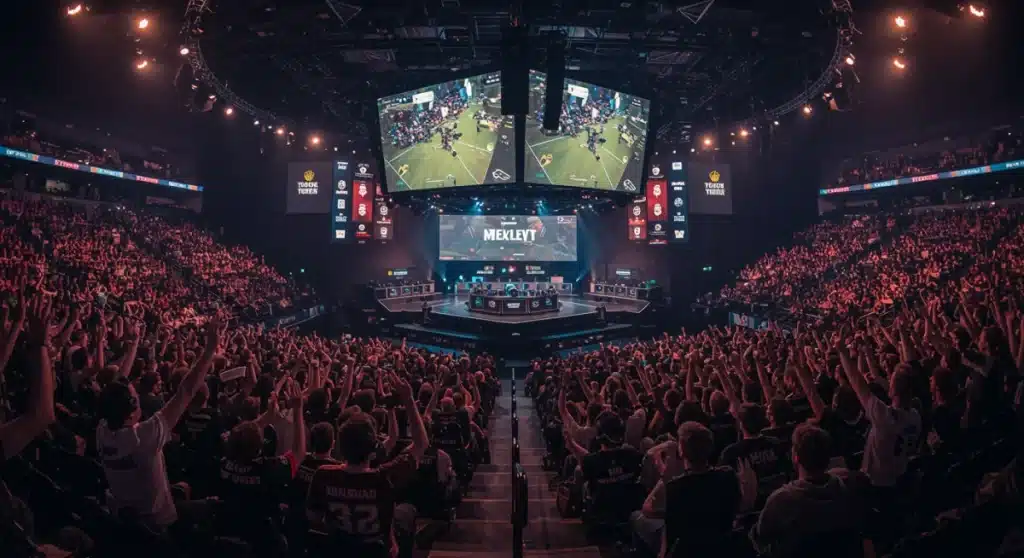
The landscape of Esports Sponsorship Deals in 2026 is becoming increasingly data-driven, with brands prioritizing measurable impact over broad exposure. Companies are focusing on clear performance indicators to ensure their investments deliver tangible returns.
Key metrics shaping these deals include audience engagement rates, conversion performance, and brand visibility across digital platforms. Verified industry insights show that sponsors now value interactions, clicks, and community loyalty more than just total viewership numbers.
Looking ahead, stakeholders should monitor advancements in analytics tools, influencer integration, and platform-specific performance tracking. Success in esports sponsorship will depend on aligning brand goals with precise, data-backed metrics that reflect real audience impact.
The Evolving Landscape of Esports Sponsorships
The esports industry has evolved into a global entertainment powerhouse, attracting both endemic gaming brands and major non-endemic players across sectors like automotive, finance, and consumer goods. This growth is driven by massive audience engagement and the unique ability of esports to connect with younger, digitally native consumers.
However, with this expansion comes increased scrutiny. Brands now demand clear accountability and measurable ROI, moving beyond simple visibility metrics like logo placement. They expect concrete data showing how sponsorships influence purchasing behavior, brand perception, and audience engagement.
As a result, esports organizations must adopt a more strategic and analytical approach. Presenting strong value propositions supported by data, insights, and performance metrics has become essential to securing and maintaining high-value sponsorships in an increasingly competitive market.
Audience Engagement: Beyond Raw Viewership
Historically, raw viewership numbers were a primary metric for esports sponsorships, indicating broad reach. While still important, brands are now scrutinizing audience engagement more deeply, looking for active participation rather than passive consumption.
This includes metrics like chat activity, social media interactions, and average watch time, which provide a richer picture of audience connection.
Engagement metrics offer a qualitative layer to the quantitative data, revealing how deeply an audience connects with content, teams, and individual players. High engagement signifies a more invested and loyal fanbase, which is inherently more valuable to brands seeking to build lasting relationships with consumers.
Understanding the nuances of audience interaction is key for successful Esports Sponsorship.
- Chat Activity Rate: Measures the percentage of viewers actively participating in live stream chats during events.
- Social Media Interaction: Tracks likes, shares, comments, and mentions across platforms related to sponsored content.
- Average Watch Time: Indicates how long viewers remain engaged with a particular stream or content piece.
- Content Consumption Patterns: Analyzes viewer habits across different platforms and content types, revealing deeper preferences.
Return on Investment (ROI): The Bottom Line Driver
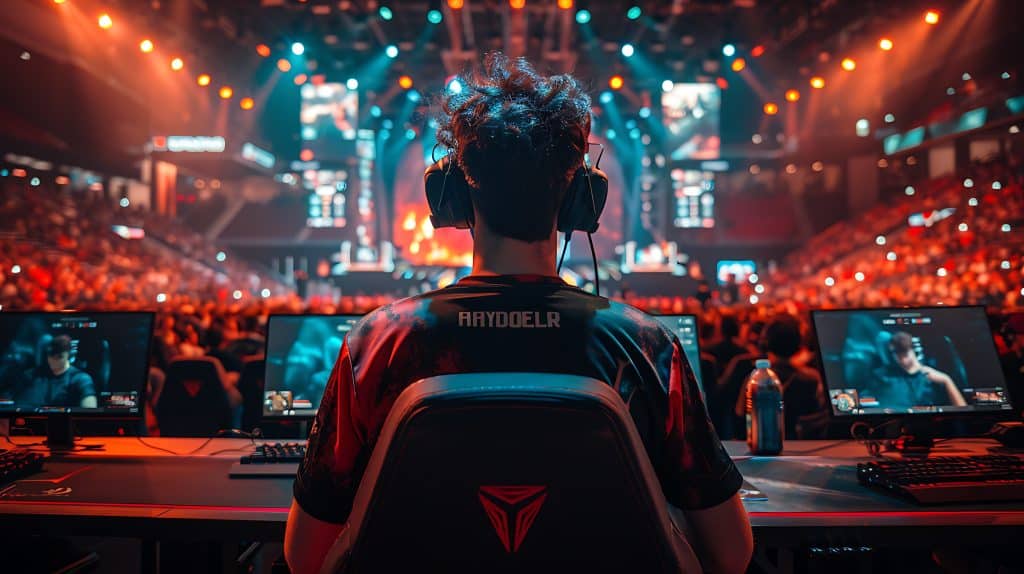
For brands, the primary objective of esports sponsorship is achieving a clear and measurable return on investment. By 2026, this expectation is becoming more stringent, with companies demanding direct links between sponsorship spend and business outcomes.
Key performance indicators now include sales lift, website traffic, lead generation, and shifts in brand sentiment. This reflects a move away from vanity metrics toward results that directly impact revenue and market positioning.
Advanced attribution models and data analytics are central to this transformation. Esports organizations must provide detailed reporting and align with brand objectives, ensuring partnerships deliver tangible value and long-term impact.
Brand Alignment and Audience Demographics
Beyond raw numbers, the quality of the audience and its alignment with a brand’s target demographic are increasingly critical. Brands are seeking esports properties whose fan base not only matches their ideal customer profile but also embodies their brand values. This ensures that the message resonates authentically and effectively with the intended audience. The strategic importance of brand alignment in Esports Sponsorship cannot be overstated.
Demographic data, including age, gender, geographic location, income level, and consumer preferences, allows brands to target their investments with surgical precision. A deep understanding of the audience’s psychographics, their interests, attitudes, and lifestyles, further enhances the potential for impactful campaigns. This level of detail helps prevent misaligned partnerships that fail to deliver desired results.
Furthermore, brands are increasingly looking for properties that actively promote inclusivity, diversity, and positive community values. Aligning with an esports entity that shares these principles can significantly enhance a brand’s reputation and foster stronger connections with socially conscious consumers. This holistic view of brand alignment is a cornerstone for Esports Sponsorship.
Measuring Brand Sentiment and Perception
In the digital age, brand sentiment and public perception are powerful indicators of marketing effectiveness. Brands investing in esports are keen to understand how their association impacts how they are perceived by the gaming community and the broader public.
This involves monitoring social media conversations, online reviews, and news coverage to gauge changes in brand reputation. The insights gained from sentiment analysis are crucial for refining Esports Sponsorship.
Positive sentiment can translate into increased brand loyalty, advocacy, and ultimately, sales. Conversely, negative sentiment can quickly erode brand value, making proactive monitoring and strategic communication essential.
Brands will prioritize partnerships that promise to enhance their image and foster positive associations within the esports ecosystem. This metric provides a crucial qualitative measure of success.
- Social Listening: Tools that monitor online conversations for mentions of the brand and associated esports entities.
- Sentiment Analysis: Evaluates the emotional tone of online discussions (positive, negative, neutral) regarding a brand.
- Brand Recall and Recognition: Surveys and studies to measure audience awareness and memory of a brand’s presence in esports.
- Association with Values: Assessing how well the esports partnership aligns with and enhances the brand’s core values and messaging.
Leveraging Data for Strategic Partnerships
The future of Esports Sponsorship will be characterized by an intensified reliance on data-driven decision-making. Esports organizations and teams that can provide comprehensive, verifiable data across these key metrics will hold a significant advantage in attracting and retaining top-tier sponsors. This necessitates investment in analytics infrastructure and expertise.
Brands, in turn, will need to clearly articulate their objectives and work closely with their esports partners to establish relevant KPIs and tracking mechanisms. This collaborative approach ensures that both parties are aligned on what constitutes success and how it will be measured. The transparency and mutual understanding fostered by data sharing will be paramount for robust Esports Sponsorship.
The ability to adapt to new data sources and analytical methodologies will also be crucial as the industry continues to evolve. Staying ahead of the curve in data collection and interpretation will allow brands and properties to identify emerging opportunities and optimize existing partnerships. This dynamic environment demands continuous learning and adaptation for successful Esports Sponsorship.
The Role of Influencer Marketing in Esports
Influencer marketing within esports continues to grow, offering brands direct access to highly engaged communities through trusted personalities. By 2026, brands will be evaluating influencer partnerships with the same rigorous metric-driven approach applied to larger sponsorships.
This includes assessing an influencer’s audience demographics, engagement rates, and their ability to drive specific calls to action. For Esports Sponsorship, influencer metrics are increasingly vital.
The authenticity of an influencer’s connection with their audience is a significant factor, as genuine recommendations tend to yield better results than overtly commercial endorsements. Brands will seek influencers whose personal brand aligns seamlessly with their own values and marketing objectives. This ensures that the message is delivered credibly and resonates effectively with the target consumer base.
Measuring the direct impact of influencer campaigns on brand metrics such as website visits, product purchases, and social media growth will be essential. This requires sophisticated tracking tools and clear communication between brands, influencers, and their management. The integration of influencer performance into overall Esports Sponsorship strategies will be a defining characteristic of the coming years.
Future-Proofing Esports Sponsorship Strategies

As the esports market matures, the strategies for securing and managing sponsorships must also evolve. Future-proofing these strategies involves a proactive approach to understanding market trends, technological advancements, and shifts in consumer behavior. Brands and esports properties alike need to anticipate these changes to remain competitive and relevant in the dynamic ecosystem of Esports Sponsorship.
Investing in predictive analytics and market research will provide valuable foresight, allowing stakeholders to identify emerging opportunities and potential risks. This forward-looking perspective enables the development of agile sponsorship models that can adapt quickly to new challenges and maximize returns. A flexible strategy is key to navigating the unpredictable nature of digital entertainment.
Moreover, building strong, long-term relationships based on mutual trust and shared objectives will be paramount. Beyond contractual obligations, successful partnerships will be characterized by ongoing communication, collaborative problem-solving, and a shared commitment to innovation. This relational aspect is as important as the data-driven insights for sustainable Esports Sponsorship.
Emerging Technologies and Their Impact on Metrics
New technologies, such as virtual reality (VR), augmented reality (AR), and blockchain, are poised to reshape how esports content is consumed and how sponsorships are activated. These technologies offer novel ways to engage audiences and create immersive brand experiences, but they also introduce new metrics for evaluation. Brands will need to understand how these innovations impact the effectiveness of their Esports Sponsorship.
For instance, VR/AR integrations could offer unique opportunities for interactive product placements or branded virtual environments, requiring metrics that measure user interaction within these new spaces. Blockchain technology might facilitate transparent tracking of digital assets and fan engagement, offering immutable data for performance analysis. These advancements will necessitate an expansion of traditional metric frameworks.
Esports properties that embrace and integrate these emerging technologies will be better positioned to offer innovative sponsorship packages that capture brand attention. The ability to demonstrate measurable impact within these new technological paradigms will be a key differentiator in the highly competitive market for Esports Sponsorship. Adapting to technological shifts is non-negotiable for future success.
| Key Metric Focus | Brief Description |
|---|---|
| Audience Engagement | Measures active participation beyond viewership, including chat and social interactions. |
| Return on Investment (ROI) | Quantifies direct business outcomes like sales lift, website traffic, and lead generation. |
| Brand Alignment & Demographics | Evaluates audience fit with brand values and target consumer profiles, including sentiment. |
| Influencer Effectiveness | Assesses an influencer’s ability to drive specific actions and positively impact brand perception. |
Frequently Asked Questions About Esports Sponsorships
Measuring ROI in esports can be challenging due to the fragmented nature of audience engagement across various platforms and the difficulty in directly attributing sales to specific sponsorship activations. Advanced analytics and clear key performance indicators are essential to overcome these hurdles and accurately assess the impact of Esports Sponsorship.
Audience demographic data will be critically important in 2026. Brands are increasingly seeking precise alignment between their target consumer base and the esports audience. This ensures that marketing messages resonate effectively and that sponsorship investments are optimized for maximum impact, making it a core component of successful Esports Sponsorship.
While traditional media metrics like impressions and reach will still hold some relevance, their importance will be secondary to more advanced engagement and conversion metrics. Brands are shifting focus towards deeper qualitative insights and direct business outcomes, demanding more sophisticated data for their Esports Sponsorship.
Esports teams can attract sponsors by developing robust data analytics capabilities to demonstrate audience engagement, clear ROI, and strong brand alignment. Proactive communication of these metrics, coupled with innovative activation ideas that leverage emerging technologies, will be key to securing competitive Esports Sponsorship and long-term partnerships.
Brand values play a significant role as consumers increasingly align with socially responsible companies. Brands seek esports partners that embody similar values, promoting inclusivity and positive community engagement. This alignment enhances brand reputation and fosters stronger connections with the audience, influencing decisions regarding Esports Sponsorship.
Looking Ahead
The insights into Esports Sponsorship underscore a pivotal shift towards data-driven strategies and a deeper understanding of audience value.
Brands will prioritize partnerships that offer clear, measurable returns on investment, high audience engagement, and strong alignment with their brand identity and target demographics.
This evolving landscape demands a more sophisticated approach from both sponsors and esports properties, fostering innovation and analytical rigor.